
Cranial orthosis market seen growing to $0.4 billion by 2030
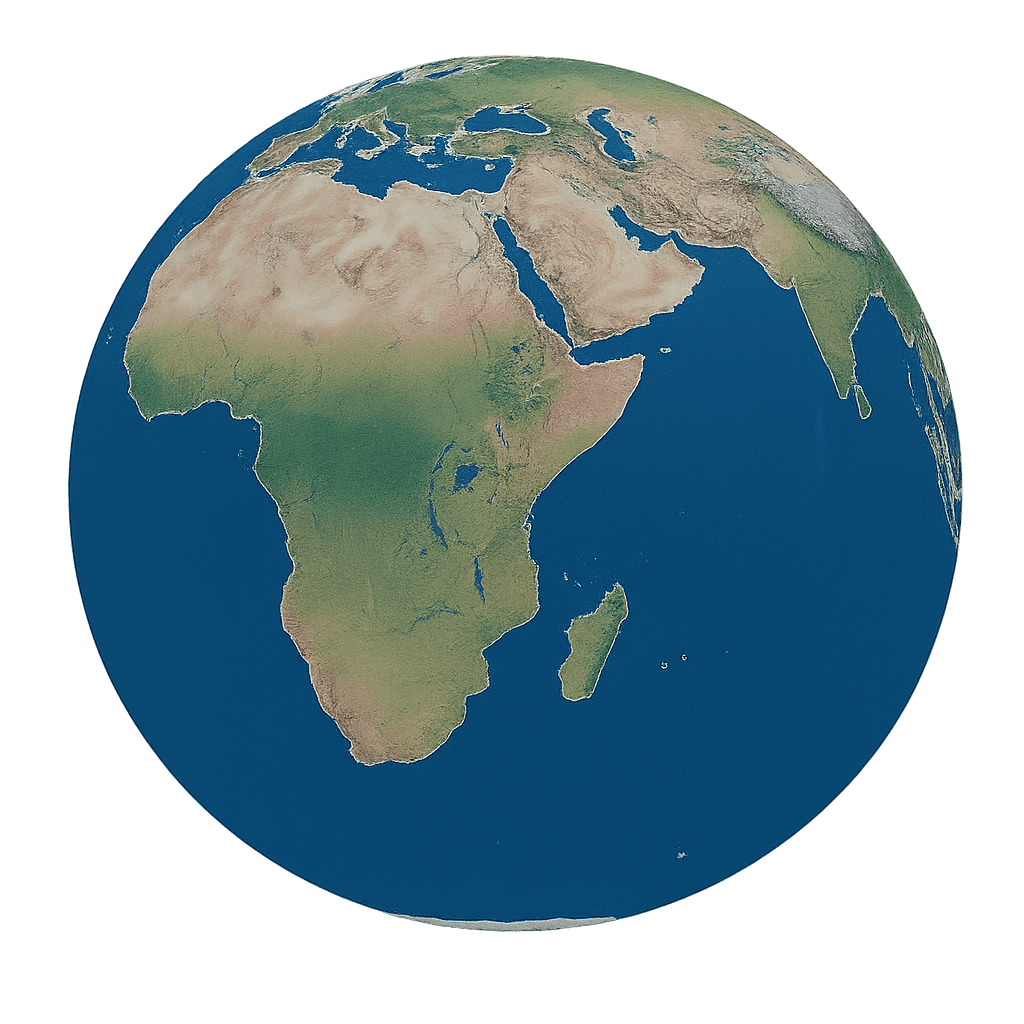
The global cranial orthosis market is projected to rise from $0.28 billion in 2025 to $0.4 billion by 2030, driven by more infant cranial deformities, broader pediatric care access and demand for custom helmet therapy. Asia-Pacific is the largest regional market and is expected to grow the fastest.
Why it matters: - The cranial orthosis market is expanding as more infants are diagnosed with head-shape abnormalities that can be treated without surgery. - Growth in this category points to rising demand for early intervention, custom care and pediatric orthopedic services. - The market forecast suggests more adoption of digital design and 3D-based device fabrication in infant treatment.
What happened: - The Business Research Company released a cranial orthosis market report on Sept. 16, 2026. - The report values the market at $0.28 billion in 2025 and $0.3 billion in 2026. - The report projects the market will reach $0.4 billion by 2030. - The forecast implies a 7.0% CAGR from 2025 to 2026 and a 7.3% CAGR through 2030. - The report says Asia-Pacific was the largest cranial orthosis market in 2025. - The report says Asia-Pacific is also expected to be the fastest-growing region during the forecast period. - Download a free sample of the report. - View the full cranial orthosis market report.
The details: - Cranial orthoses are custom-designed, lightweight helmet braces used to correct infant cranial deformities such as positional plagiocephaly, brachycephaly and scaphocephaly. - The helmets are typically worn between 4 and 12 months of age during a period of rapid skull growth. - The devices work by applying gentle pressure to protruding areas while allowing flattened areas to grow. - The report ties market growth to a higher prevalence of positional cranial deformities in infants. - The report also cites better awareness of early diagnosis, more use of non-invasive corrective therapies, wider access to pediatric orthopedic services and greater acceptance of personalized cranial orthotic treatment. - The report says future growth will be supported by digitally tailored orthoses, advanced cranial measurement technologies and expanding pediatric rehabilitation infrastructure. - Key trends cited in the report include more 3D scanning for custom fabrication, lighter and more breathable helmet designs, better wear compliance, earlier diagnosis and more personalized treatment through specialized care centers. - A July 2024 JAMA Pediatrics report found 11.8% of preterm infants had positional plagiocephaly and brachycephaly, compared with 5.3% of full-term infants. - The JAMA Pediatrics data indicates preterm infants were more than twice as likely to develop these conditions.
Between the lines: - The market outlook reflects a broader shift toward personalized, non-invasive pediatric care that can be delivered earlier and with more precision. - The regional lead in Asia-Pacific suggests healthcare expansion and awareness campaigns are turning into measurable device demand. - The emphasis on 3D scanning and custom helmets signals that device design is becoming a competitive differentiator, not just a clinical feature.
What's next: - The report expects continued adoption of patient-specific infant care solutions as pediatric rehabilitation capacity expands. - The market is likely to benefit from more advanced measurement tools and better-fitting orthoses that improve comfort and compliance. - Additional growth may come from more clinical screening of infants at risk of positional cranial deformities, especially preterm babies.
The bottom line: - Cranial orthosis is moving from a niche pediatric device market to a more technology-driven growth category, with Asia-Pacific leading the next phase of expansion.
Disclaimer: This article was produced by AGP Wire with the assistance of artificial intelligence based on original source content and has been refined to improve clarity, structure, and readability. This content is provided on an “as is” basis. While care has been taken in its preparation, it may contain inaccuracies or omissions, and readers should consult the original source and independently verify key information where appropriate. This content is for informational purposes only and does not constitute legal, financial, investment, or other professional advice.
Sign up for:
Asia Healthcare Industry Digest
The daily local news briefing you can trust. Every day. Subscribe now.
Check Your Email!
We sent a one-time activation link to: .
Confirm it's you by clicking the email link.
If the email is not in your inbox, check spam or try again.
Welcome back!
is already signed up. Check your inbox for updates.